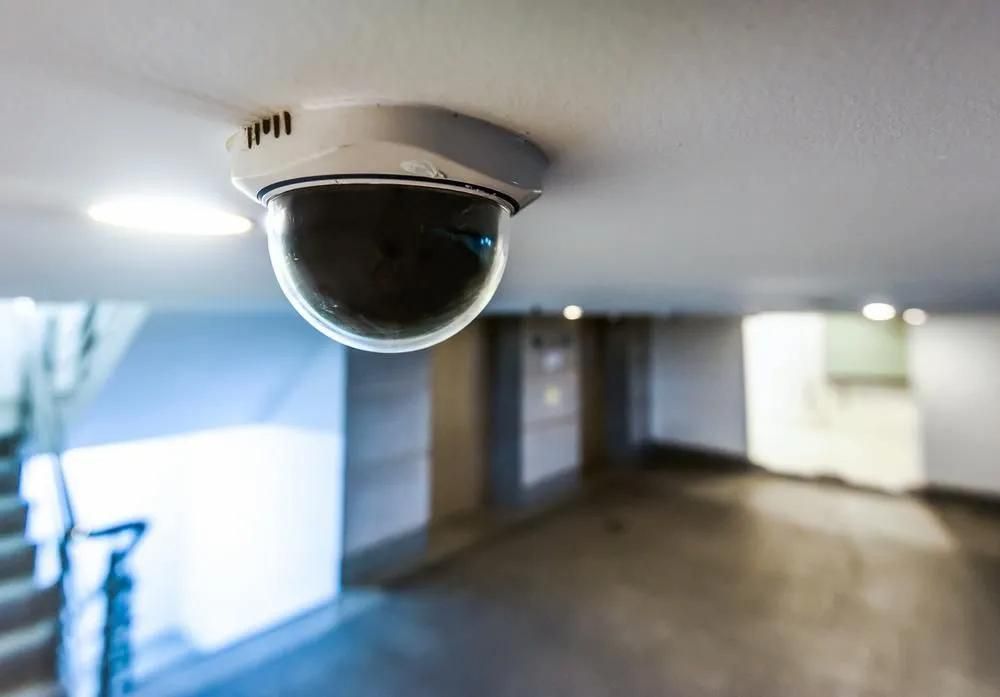
CCTV In The Workplace: NSW Surveillance Rules For Dubbo Businesses
Installing CCTV in a NSW workplace requires more than choosing cameras and monitoring entrances. Employers must consider employee notification, visible signage, camera placement and recording restrictions before surveillance begins. For Dubbo businesses, understanding these responsibilities supports effective security while respecting employee privacy.
At Firewerx, we help businesses plan security cameras Dubbo workplaces can use to protect equipment, monitor access points and investigate incidents.
What Are the NSW Workplace CCTV Laws?
Two NSW Acts are particularly relevant to employers using CCTV where staff work.
The Workplace Surveillance Act 2005 (NSW) regulates camera, computer and tracking surveillance of employees at work. It sets requirements for notification, camera visibility and certain prohibited locations.
The Surveillance Devices Act 2007 (NSW) regulates activities involving listening and optical surveillance devices, including recording private conversations and certain private activities.
Legal information disclaimer: This article is provided for general informational purposes only and does not constitute legal advice. The application of NSW surveillance legislation depends on the circumstances of each workplace. Employers should review the current legislation and obtain independent legal advice before implementing or modifying workplace surveillance arrangements.
Do Employers Need to Notify Staff?
Under section 10 of the Workplace Surveillance Act, employers generally must give employees written notice at least 14 days before surveillance begins. An employee can agree to a shorter period. Where monitoring already operates when a new employee joins, or is due to start within their first 14 days, notice must generally be provided before employment starts.
The notice needs to identify the surveillance type, explain how it will occur, specify its commencement date and state whether monitoring is continuous or intermittent and temporary or ongoing. Email can constitute written notice.
There are statutory exceptions, including certain camera surveillance at an employer's workplace that is not the employee's usual workplace.
Communicating the Purpose
Written notification is an opportunity to explain security objectives clearly. A retail employer might describe cameras monitoring cash handling and entrances to support incident investigation and protect stock.
A separate workplace policy can identify who may access footage, how requests are handled and when recordings may be preserved. Employers should ensure that their actual recording practices match what employees have been told.
CCTV Signage and Camera Visibility
Section 11 requires cameras, their casings or equipment indicating their presence to be clearly visible where employee camera surveillance takes place. Signs advising that people may be under surveillance must also be clearly visible at each entrance to that place.
Planning Sign Locations
Before installation, walk through the premises from the perspective of employees and visitors. Check staff doors, warehouse entrances and routes between monitored work areas. Place signs where people can readily see them and ensure displays, stock or temporary structures do not obscure them.
Signage does not replace written employee notice where that notice is required. Both obligations should be considered during planning rather than addressed after cameras are activated.
Where Can Workplace Cameras Be Installed?
Section 15 prohibits employers from surveilling employees in workplace change rooms, toilet facilities, showers and other bathing facilities. Camera locations should be reviewed carefully to avoid capturing these spaces.
Common areas considered for commercial CCTV include building entrances, reception counters, stockrooms, loading docks, car parks and external perimeters.
Match Coverage to Risk
A hypothetical workshop may need footage of a tool storage entrance rather than continuous coverage of every workbench.
Review adjacent rooms and neighbouring properties before fixing camera positions. Adjustable lenses and privacy masking may help narrow coverage, although technical features cannot replace legal assessment.
For employers comparing security cameras in Dubbo, the practical starting point is identifying security risks and then designing appropriate coverage, rather than choosing the maximum possible number of cameras.
Can Workplace CCTV Record Audio?
Some security cameras include microphones, but audio recording raises different legal considerations from ordinary video monitoring.
Section 7 of the Surveillance Devices Act restricts the use of listening devices to record or listen to private conversations, subject to specific exceptions. Whether an exception applies depends on the circumstances, including the parties involved and any relevant consent or lawful justification.
Is Recording Audio Illegal?
Recording audio through a security camera is not prohibited in every circumstance. However, recording private conversations without a lawful basis can breach NSW law. Displaying a CCTV sign does not automatically establish permission to capture conversations.
For a business focused on theft prevention, access monitoring or reviewing incidents, video-only recording may be sufficient. Before commissioning equipment, check whether microphones are built in, whether they are enabled by default and which users can change audio settings.
Businesses proposing audio surveillance should seek specific legal advice before activating recording. This is particularly important around reception desks, meeting areas and other places where private conversations may occur.
How Long Should CCTV Footage Be Kept?
There is no single universal retention period for all commercial CCTV footage in Australia. Appropriate arrangements depend on recording purposes, operational needs and any applicable legal obligations.
Businesses should document a retention policy instead of storing every recording indefinitely.
Storage and Access Controls
A practical policy should cover the following matters:
- Retention: Set a justified period and review it when business needs change.
- Access: Restrict viewing and downloading to authorised personnel.
- Security: Protect recording equipment, passwords and remote access accounts.
- Deletion: Consider automatic overwriting when footage is no longer needed.
- Preservation: Retain relevant evidence when an incident or legal obligation requires it.
The Workplace Surveillance Act also restricts use and disclosure of workplace surveillance records, subject to specified exceptions. Employers should assess those provisions before sharing footage with third parties or using it for purposes beyond routine security.
How CCTV Design Supports Compliance
Good installation planning considers legal constraints alongside camera performance. Before choosing equipment, identify what each camera needs to show, when recording should operate and who requires access.
Camera placement should account for lighting, blind spots, mounting height and the visibility of surveillance equipment.
Configure Access Carefully
Commercial systems may offer scheduled recording, motion alerts, remote viewing and individual user permissions. These settings can support a business's documented surveillance approach when configured appropriately.
For example, an authorised manager might need to retrieve footage following a break-in without giving every employee unrestricted access to archived recordings. Strong passwords, access reviews and clear responsibilities are sensible safeguards.
Businesses planning broader
security systems Dubbo premises may also consider how alarms complement CCTV. Our guide on
how alarms and CCTV compare explains their different security roles.
Common Workplace CCTV Mistakes
A frequent mistake is buying equipment before assessing whether the intended camera positions and recording functions are appropriate.
Other issues include relying on signage without considering written notice, allowing excessive footage access and overlooking microphones on replacement cameras.
Businesses may also forget to revisit their arrangements after renovations. A camera originally aimed at an entrance might capture a newly created private area once the floor plan changes.
Where legal requirements are uncertain, seek advice before altering surveillance practices.
Why Choose Firewerx for CCTV?
Firewerx supplies and installs commercial security cameras in Dubbo and surrounding Central Western NSW locations. Its published services include indoor and outdoor cameras, low-light monitoring, motion detection, remote access and ongoing support.
The Firewerx website also lists Electrical Contractor Licence 244906C, ACMA cabling registration, ARCTICK AU068076 and Accredited Fire Safety Practitioner registration F42977A. These credentials relate to different technical activities and should not be mistaken for legal certification of a CCTV arrangement.
We can help businesses assess practical camera coverage, equipment features and recording configurations. Employers should separately confirm their legal obligations and any applicable security licensing requirements.
Plan Your Workplace CCTV Installation
Effective workplace CCTV planning begins with identifying security needs and considering employee privacy before recording starts. Notice, signage, camera positioning, audio settings and footage management all deserve attention during planning.
For businesses seeking a tailored installation,
Firewerx can discuss suitable commercial CCTV equipment and monitoring options.
Speak with our team to arrange a conversation about your property's security requirements.
Frequently Asked Questions